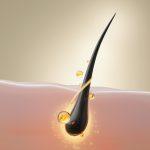
Postmenopausal Hair Care: How to Support Stronger, Healthier Hair
Postmenopausal hair care should support fragile strands, changing texture, and scalp comfort without making unrealistic promises about reversing natural aging. Hair may grow more slowly, feel drier, or appear less dense after menopause. A routine focused on protection and manageability can help it look stronger and more polished.
Choose a gentle cleanser and a conditioner that matches the thickness of your hair. Use a wide-tooth comb on damp hair, avoid rough towel drying, and apply heat protection before styling. Regular trims can prevent split ends from traveling upward, while occasional moisturizing or strengthening treatments may improve the feel of damaged hair.
Pay attention to new or continuing hair loss rather than assuming it is unavoidable. A dermatologist can assess possible genetic, hormonal, nutritional, or medical causes. Professional salon advice is useful for selecting flattering cuts and reducing damage, but medical concerns require clinical evaluation.